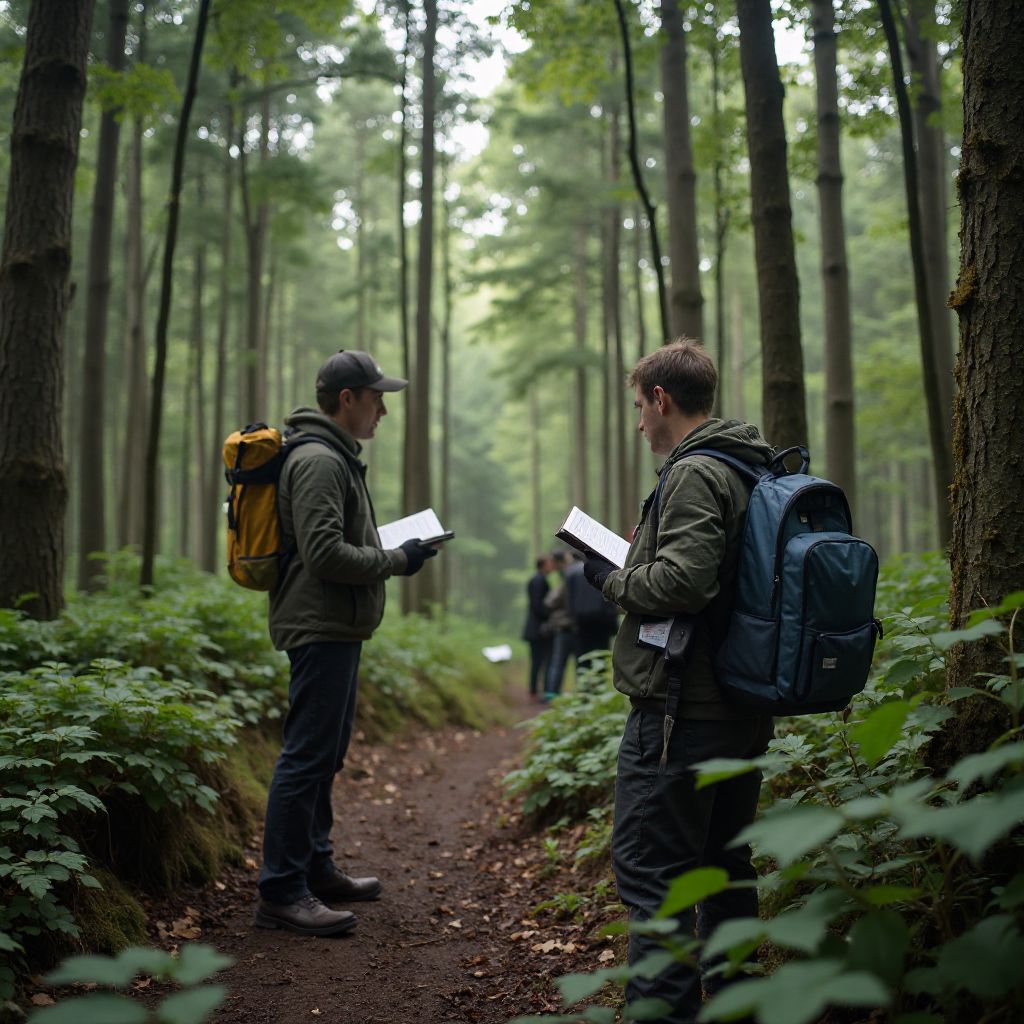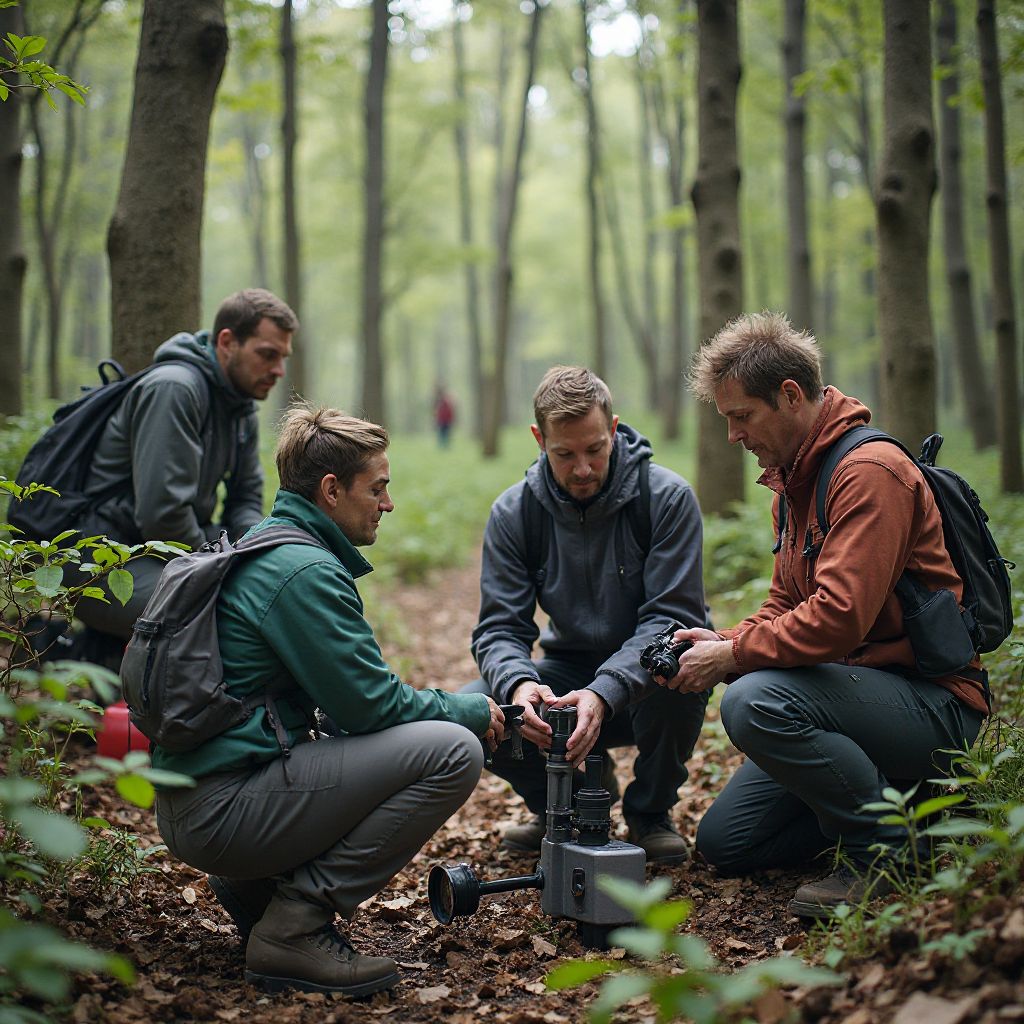
Pigeonerptylerize.site was born from a pivotal moment in 2012 when founders Dr. Elena Popescu and Dr. Adrian Ionescu witnessed firsthand the rapid degradation of Romania's pristine Carpathian forests. Having spent years conducting research in various European ecological institutions, they decided to return to their homeland with a vision: to create an organization dedicated to preserving Romania's natural heritage while promoting sustainable development.
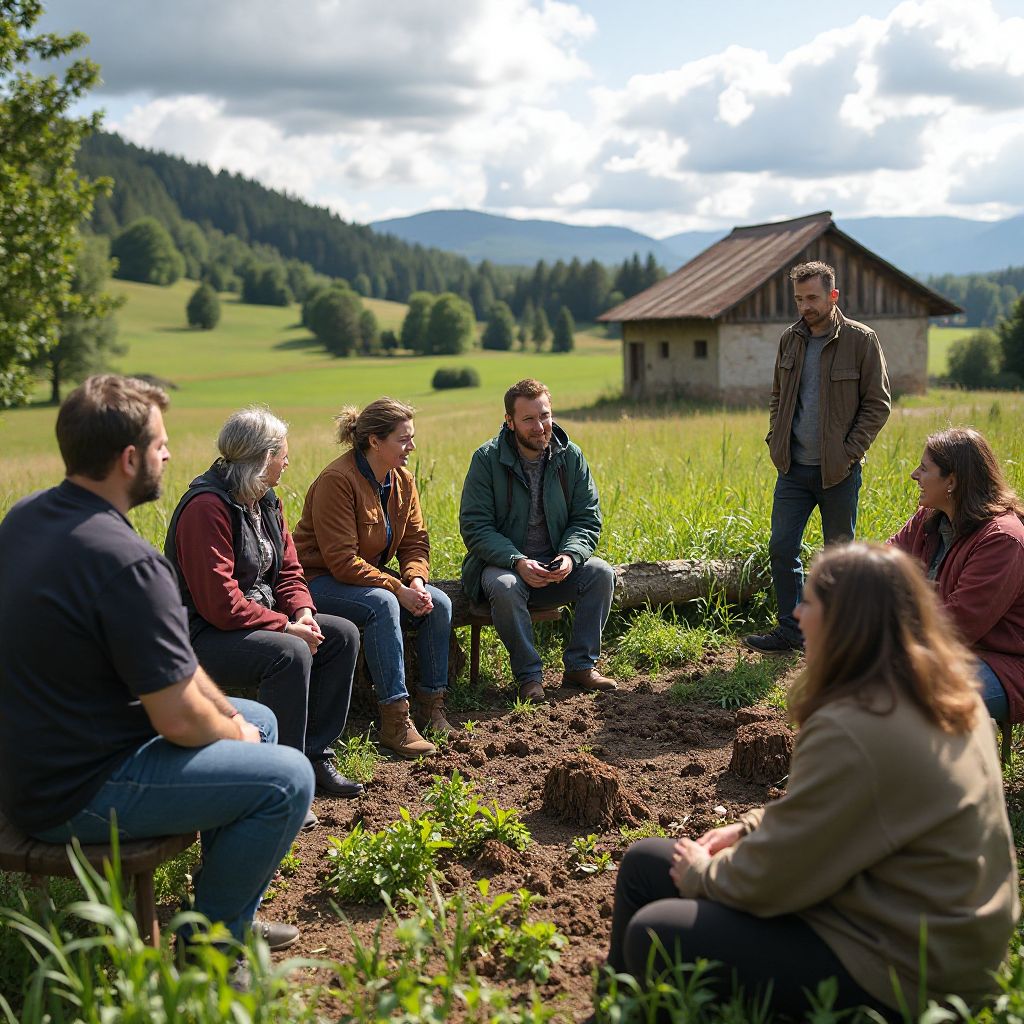
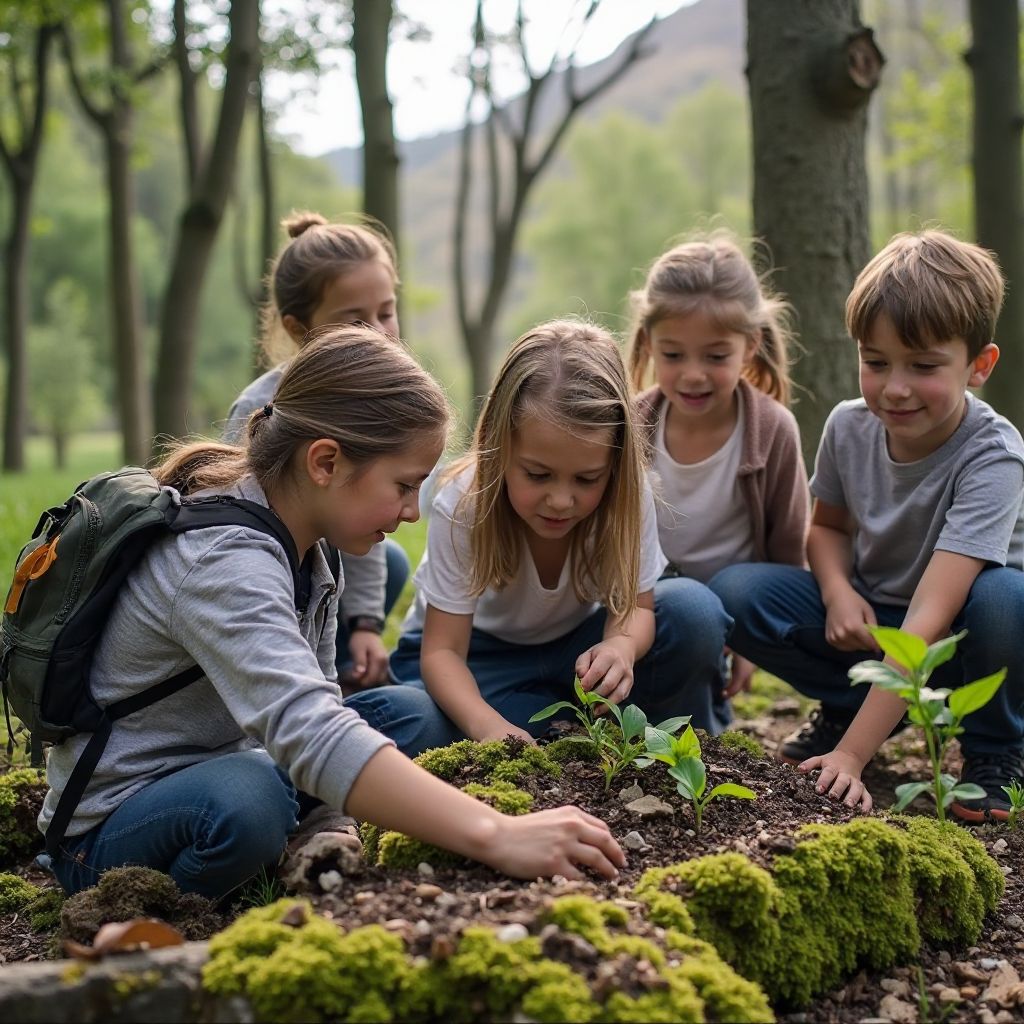
Starting with just a small team of five passionate conservationists working from a modest office in Bucharest, our initial projects focused on documenting biodiversity in threatened areas and educating local communities about sustainable practices. The early years presented numerous challenges, from limited funding to bureaucratic hurdles, but our dedication and scientific approach quickly earned recognition from both national authorities and international conservation bodies.
A turning point came in 2015 when we successfully advocated for the protection of a critical 5,000-hectare forest corridor in the Southern Carpathians, securing its status as a protected area. This achievement demonstrated the power of combining scientific research, community engagement, and policy advocacy – an approach that has defined our work ever since.
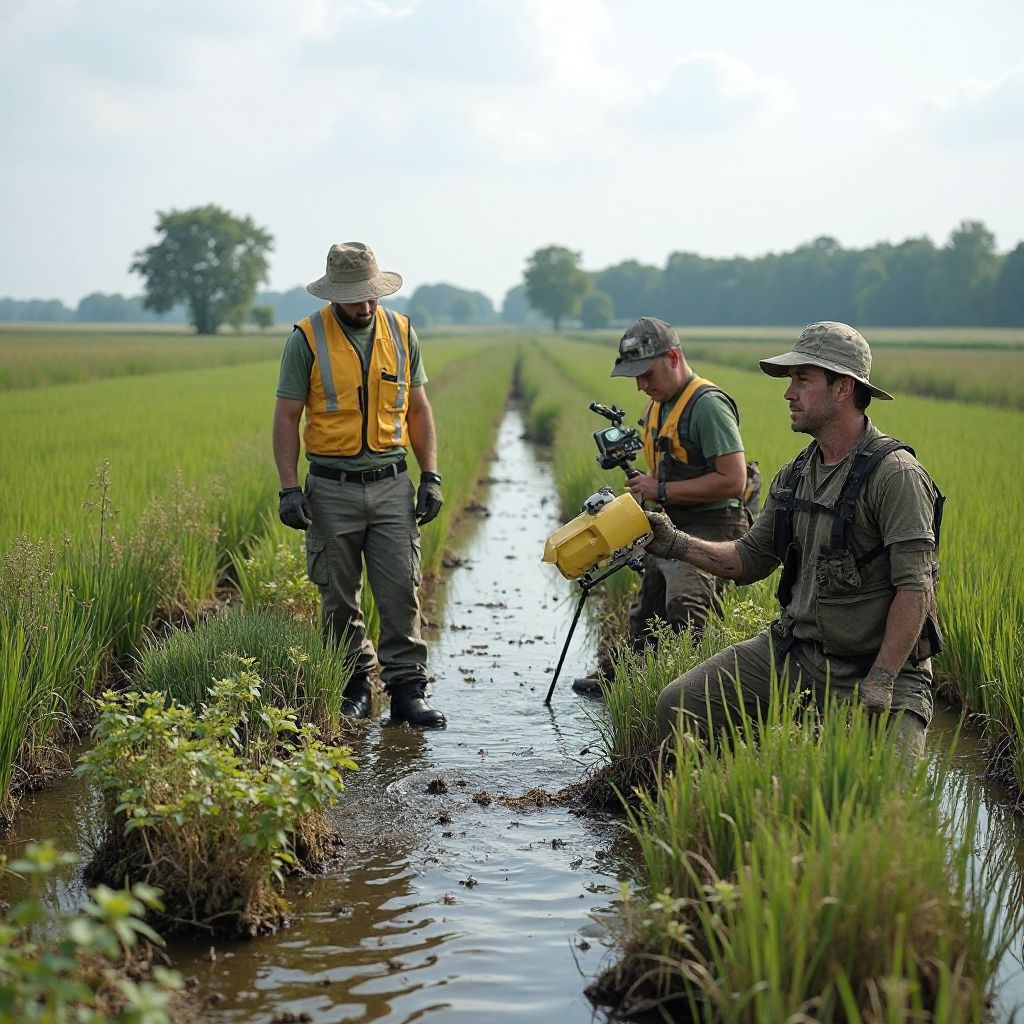
Over the years, we've expanded our team to include experts in various ecological disciplines, from forestry and hydrology to sustainable agriculture and climate science. Our projects now span the entirety of Romania's diverse ecosystems – from the ancient forests of the Carpathians to the wetlands of the Danube Delta and the traditional agricultural landscapes of Transylvania.
Today, Pigeonerptylerize.site stands as a leading environmental organization in Eastern Europe, with a track record of successful conservation initiatives and a reputation for scientific rigor and community-centered approaches. As we look toward 2026 and beyond, we remain committed to our founding vision: a Romania where thriving ecosystems and sustainable human communities exist in harmony.